mirror of
https://gitlab.com/vindarel/ciel.git
synced 2026-01-13 12:50:47 -08:00

881 lines
24 KiB
Markdown
881 lines
24 KiB
Markdown
# Libraries
|
|
|
|
To see the full list of dependencies, see the `ciel.asd` project definition or this [dependencies list](dependencies.md).
|
|
|
|
## Data structures
|
|
|
|
### Generic and nested access to datastructures (access)
|
|
|
|
From [Access](https://github.com/AccelerationNet/access/%0A), we import `access` and `accesses` (plural).
|
|
|
|
It's always
|
|
|
|
```lisp
|
|
(access my-structure :elt)
|
|
```
|
|
|
|
for an alist, a hash-table, a struct, an object… Use `accesses` for nested access (specially useful with JSON).
|
|
|
|
### Hash-table utilities (Alexandria and Serapeum)
|
|
|
|
We import functions from [Alexandria](https://alexandria.common-lisp.dev/draft/alexandria.html#Hash-Tables) and [Serapeum](https://github.com/ruricolist/serapeum/blob/master/REFERENCE.md#hash-tables).
|
|
|
|
To see their full list with their documentation, see [alexandria](alexandria.md) [serapeum](serapeum.md).
|
|
|
|
```txt
|
|
;; alexandria
|
|
hash-table-keys
|
|
hash-table-values
|
|
ensure-gethash
|
|
```
|
|
|
|
``` txt
|
|
;; serapeum
|
|
:dict
|
|
:do-hash-table ;; see also trivial-do
|
|
:dict*
|
|
:dictq ;; quoted
|
|
:href ;; for nested lookup.
|
|
:href-default
|
|
:pophash
|
|
:swaphash
|
|
:hash-fold
|
|
:maphash-return
|
|
:merge-tables
|
|
:flip-hash-table
|
|
:set-hash-table
|
|
:hash-table-set
|
|
:hash-table-predicate
|
|
:hash-table-function
|
|
:make-hash-table-function
|
|
:delete-from-hash-table
|
|
:pairhash
|
|
```
|
|
|
|
Here's how we can create a hash-table with keys and values:
|
|
|
|
``` lisp
|
|
;; create a hash-table:
|
|
(dict :a 1 :b 2 :c 3)
|
|
;; =>
|
|
(dict
|
|
:A 1
|
|
:B 2
|
|
:C 3
|
|
)
|
|
```
|
|
|
|
In default Common Lisp, you would do:
|
|
|
|
```lisp
|
|
(let ((ht (make-hash-table :test 'equal)))
|
|
(setf (gethash :a ht) 1)
|
|
(setf (gethash :b ht) 2)
|
|
(setf (gethash :c ht) 3)
|
|
ht)
|
|
;; #<HASH-TABLE :TEST EQUAL :COUNT 3 {1006CE5613}>
|
|
```
|
|
|
|
As seen above, hash-tables are pretty-printed by default.
|
|
|
|
You can toggle the representation with `toggle-pretty-print-hash-table`, or by setting
|
|
|
|
```lisp
|
|
(setf *pretty-print-hash-tables* nil)
|
|
```
|
|
|
|
in your configuration file.
|
|
|
|
### Sequences utilities (Alexandria, Serapeum)
|
|
|
|
From *Serapeum* we import:
|
|
|
|
``` txt
|
|
:assort
|
|
:batches
|
|
:runs
|
|
:partition
|
|
:partitions
|
|
:split-sequence
|
|
```
|
|
|
|
And from [Alexandria](https://common-lisp.net/project/alexandria/draft/alexandria.html):
|
|
|
|
``` text
|
|
:iota
|
|
:flatten
|
|
:shuffle
|
|
:random-elt
|
|
:length=
|
|
:last-elt
|
|
:emptyp
|
|
```
|
|
|
|
From `alexandria-2` we import:
|
|
|
|
```text
|
|
:subseq* (the end argument can be larger than the sequence's length)
|
|
```
|
|
|
|
and some more.
|
|
|
|
### String manipulation (str)
|
|
|
|
Available with the `str` prefix.
|
|
|
|
It provides functions such as: `trim`, `join`, `concat`, `split`, `repeat`, `pad`, `substring`, `replace-all`, `emptyp`, `blankp`, `alphanump`, `upcase`, `upcasep`, `remove-punctuation`, `from-file`, `to-file`…
|
|
|
|
See <https://github.com/vindarel/cl-str/> and https://lispcookbook.github.io/cl-cookbook/strings.html
|
|
|
|
Data formats
|
|
------------
|
|
|
|
### CSV
|
|
|
|
You have [cl-csv](https://github.com/AccelerationNet/cl-csv), under its `cl-csv` package name and the `csv` local nickname.
|
|
|
|
```lisp
|
|
;; read a file into a list of lists
|
|
(cl-csv:read-csv #P"file.csv")
|
|
=> (("1" "2" "3") ("4" "5" "6"))
|
|
|
|
;; read csv from a string (streams also supported)
|
|
(cl-csv:read-csv "1,2,3
|
|
4,5,6")
|
|
=> (("1" "2" "3") ("4" "5" "6"))
|
|
|
|
;; read a file that's tab delimited
|
|
(cl-csv:read-csv #P"file.tab" :separator #\Tab)
|
|
|
|
;; loop over a CSV for effect
|
|
(let ((sum 0))
|
|
(cl-csv:do-csv (row #P"file.csv")
|
|
(incf sum (parse-integer (nth 0 row))))
|
|
sum)
|
|
```
|
|
|
|
See also:
|
|
|
|
- [auto-text](https://github.com/defunkydrummer/auto-text), automatic detection for text files (encoding, end of line, column width, csv delimiter etc). [inquisitor](https://github.com/t-sin/inquisitor) for detection of asian and far eastern languages.
|
|
- [CLAWK](https://github.com/sharplispers/clawk), an AWK implementation embedded into Common Lisp, to parse files line-by-line.
|
|
|
|
### JSON
|
|
|
|
We use [shasht](https://github.com/yitzchak/shasht). It has a `json` nickname.
|
|
|
|
It is one of the newest and one of the best JSON handling libraries.
|
|
|
|
To encode an object to a stream (standard output, a string, or another
|
|
stream), use `write-json`. Its signature is:
|
|
|
|
```lisp
|
|
(write-json value &optional (output-stream t))
|
|
```
|
|
|
|
Example:
|
|
|
|
By default, write to standard output:
|
|
|
|
```lisp
|
|
(json:write-json (list (dict :a 1)))
|
|
;; => printed representation:
|
|
[
|
|
{
|
|
"A": 1
|
|
}
|
|
]
|
|
;; => and the returned object:
|
|
(
|
|
(dict
|
|
:A 1
|
|
) )
|
|
```
|
|
|
|
Note how Shasht returns a hash-table, that is handily constructed with
|
|
our `dict` representation.
|
|
|
|
To encode an object and print to a string, use the final `output-stream` argument to `nil`:
|
|
|
|
~~~lisp
|
|
(shasht:write-json (list (dict :a 1)) nil)
|
|
;; =>
|
|
"[
|
|
{
|
|
\"A\": 1
|
|
}
|
|
]"
|
|
~~~
|
|
|
|
To encode or decode objects from a stream or a string, use `read-json`:
|
|
|
|
```lisp
|
|
(let ((string "{\"foo\": [1, 2, 3], \"bar\": true, \"baz\": \"!\"}"))
|
|
(json:read-json string))
|
|
;; =>
|
|
(dict
|
|
"foo" #(1 2 3) ;; <= an array
|
|
"bar" T
|
|
"baz" "!"
|
|
)
|
|
```
|
|
|
|
Note how the `[1, 2, 3]` list was formatted to a vector (`#(1 2
|
|
3)`). Shasht gives us many options as dynamic variables that influence
|
|
the parsing (see its README and below), in that case we can change
|
|
`*read-default-array-format*` to `:list`:
|
|
|
|
~~~lisp
|
|
(let ((json:*read-default-array-format* :list))
|
|
(let ((string "{\"foo\": [1, 2, 3], \"bar\": true, \"baz\": \"!\"}"))
|
|
(json:read-json string)))
|
|
;; =>
|
|
(dict
|
|
"foo" '(1 2 3) ;; <= now a list
|
|
"bar" T
|
|
"baz" "!"
|
|
)
|
|
~~~
|
|
|
|
Shasht can **encode and decode from objects**. Given a simple class:
|
|
|
|
```lisp
|
|
(defclass person ()
|
|
((name :initarg :name)
|
|
(lisper :initform t)))
|
|
```
|
|
|
|
We can encode an instance of it:
|
|
|
|
```lisp
|
|
(json:write-json (make-instance 'person :name "you"))
|
|
;; =>
|
|
{
|
|
"NAME": "you",
|
|
"LISPER": true
|
|
}
|
|
#<PERSON {1007FDDDC3}>
|
|
```
|
|
|
|
Shasht options
|
|
==============
|
|
|
|
*(See its README for possible updates)*
|
|
|
|
Parsing (reading) options:
|
|
|
|
- `common-lisp:*read-default-float-format*` — Controls the floating-point format
|
|
that is to be used when reading a floating-point number.
|
|
- `*read-default-true-value*` — The default value to return when reading a true
|
|
token. Initially set to `t`.
|
|
- `*read-default-false-value*` — The default value to return when reading a
|
|
false token. Initially set to `nil`.
|
|
- `*read-default-null-value*` — The default value to return when reading a null
|
|
token. Initially set to `:null`.
|
|
- `*read-default-array-format*` — The default format to use when reading an
|
|
array. Current supported formats are `:vector` or `:list`. Initially set to
|
|
`:vector`.
|
|
- `*read-default-object-format*` — The default format to use when reading an
|
|
object. Current supported formats are `:hash-table`, `:alist` or `:plist`.
|
|
Initially set to `:hash-table`.
|
|
- `*read-length*` — The maximum number of values in an array or an object.
|
|
Initially set to `nil` which disables length checking.
|
|
- `*read-level*` — The maximum number of levels to allow during reading for
|
|
arrays and objects. Initially set to `nil` which disables level checking.
|
|
|
|
There is also a keyword variant `read-json*` which will set the various dynamic
|
|
variables from supplied keywords.
|
|
|
|
```lisp
|
|
(read-json* :stream nil
|
|
:eof-error t
|
|
:eof-value nil
|
|
:single-value nil
|
|
:true-value t
|
|
:false-value nil
|
|
:null-value :null
|
|
:array-format :vector
|
|
:object-format :hash-table
|
|
:float-format 'single-float
|
|
:length nil
|
|
:level nil)
|
|
```
|
|
|
|
Serialization (writing) options:
|
|
|
|
- `common-lisp:*print-pretty*` — If true then a simple indentation algorithm
|
|
will be used.
|
|
- `*write-indent-string*` — The string to use when indenting objects and arrays.
|
|
Initially set to `#\space`.
|
|
- `*write-ascii-encoding*` — If true then any non ASCII values will be encoded
|
|
using Unicode escape sequences. Initially set to `nil`.
|
|
- `*write-true-values*` — Values that will be written as a true token. Initially
|
|
set to `'(t :true)`.
|
|
- `*write-false-values*` — Values that will be written as a false token.
|
|
Initially set to `'(nil :false)`.
|
|
- `*write-null-values*` — Values that will be written as a null token. Initially
|
|
set to `(:null)`.
|
|
- `*write-alist-as-object*` — If true then assocation lists will be written as
|
|
an object. Initially set to `nil`.
|
|
- `*write-plist-as-object*` — If true then property lists will be written as an
|
|
object. Initially set to `nil`.
|
|
- `*write-empty-array-values*` — A list of values that will be written as an
|
|
empty array.
|
|
- `*write-empty-object-values*` — A list of values that will be written as an
|
|
empty object.
|
|
- `*write-array-tags*` — A list of values whose appearance in the CAR of a list
|
|
indicates the CDR of the list should be written as an array. Initially set to
|
|
`'(:array)`.
|
|
- `*write-object-alist-tags*` — A list of values whose appearance in the CAR of
|
|
a list indicates the CDR of the list is an alist and should be written as an
|
|
object. Initially set to `'(:object-alist)`.
|
|
- `*write-object-plist-tags*` — A list of values whose appearance in the CAR of
|
|
a list indicates the CDR of the list is a plist and should be written as an
|
|
object. Initially set to `'(:object-plist)`.
|
|
|
|
The actual serialization of JSON data is done by the generic function
|
|
`print-json-value` which can be specialized for additional value types.
|
|
|
|
```lisp
|
|
(print-json-value value output-stream)
|
|
```
|
|
|
|
There is also a keyword variant `write-json*` which will set the various dynamic
|
|
variables from supplied keywords and will default to the current dynamic value
|
|
of each keyword.
|
|
|
|
|
|
Date and time
|
|
-------------
|
|
|
|
The [local-time](https://common-lisp.net/project/local-time/) package is available.
|
|
|
|
See also [awesome-cl\#date-and-time](https://github.com/CodyReichert/awesome-cl#date-and-time) and the [Cookbook](https://lispcookbook.github.io/cl-cookbook/dates_and_times.html).
|
|
|
|
Databases
|
|
---------
|
|
|
|
[cl-dbi](https://github.com/fukamachi/cl-dbi/) (db independent interface) and [SxQL](https://github.com/fukamachi/sxql) (a SQL generator) are available.
|
|
|
|
Connect to a database with cl-dbi:
|
|
|
|
~~~lisp
|
|
(defvar *connection*
|
|
(dbi:connect :sqlite3
|
|
:database-name "/home/gt/test.sqlite3"))
|
|
~~~
|
|
|
|
and execute queries.
|
|
|
|
Use SXQL to generate SQL from a lispy DSL:
|
|
|
|
~~~lisp
|
|
(select (:id :name :sex)
|
|
(from (:as :person :p))
|
|
(where (:and (:>= :age 18)
|
|
(:< :age 65)))
|
|
(order-by (:desc :age)))
|
|
~~~
|
|
|
|
If you want an ORM, see [Mito](https://github.com/fukamachi/mito/) or [clsql](http://clsql.kpe.io/manual/). You also have things like [cl-yesql](https://github.com/ruricolist/cl-yesql). For more choices, see https://github.com/CodyReichert/awesome-cl#database
|
|
|
|
And for a tutorial, see <https://lispcookbook.github.io/cl-cookbook/databases.html>
|
|
|
|
|
|
Files and directories
|
|
---------------------
|
|
|
|
CL has built-in functions to deal with files and directories and UIOP provides more. See [https://lispcookbook.github.io/cl-cookbook/files.html](https://lispcookbook.github.io/cl-cookbook/files.html).
|
|
|
|
See also some functions under `uiop/os` (or simply `uiop` or `os` for short) like `os:getcwd`.
|
|
|
|
We include the [FOF (File-object finder)](https://gitlab.com/ambrevar/fof/) library, which is very useful to:
|
|
|
|
- search for files, recursively or not, and filter with our predicates,
|
|
- inspect the file objects with the regular `inspect` or `describe`
|
|
tools and see at a glance metadata such as permissions, last access
|
|
time, etc,
|
|
- change metada: the class slots have setters that write to disk,
|
|
- manipulate paths and avoid common pitfalls from the built-in and UIOP functions.
|
|
|
|
In practice, it mostly supersedes:
|
|
|
|
- Common Lisp pathnames (at least for existing files).
|
|
- Many Unix tools:
|
|
- `find` for recursive and programmable file search. Unlike `find`, `finder`'s predicates are extensible.
|
|
- `ls`
|
|
- `stat`
|
|
- `chown`
|
|
- `chmod`
|
|
- `du`
|
|
- `touch`
|
|
|
|
*(when you want to reach to these tools, you can also use CIEL's shell passthrough)*
|
|
|
|
Note that FOF is not meant to manipulate arbitrary paths of non-existing files.
|
|
Consider using [ppath](https://github.com/fourier/ppath) instead.
|
|
|
|
Quick examples:
|
|
|
|
~~~lisp
|
|
;; List all files in the current directory, recursively.
|
|
CIEL-USER> (fof:finder)
|
|
(#F"~/projets/ciel/.git/" #F"~/projets/ciel/.github/" #F"~/projets/ciel/docs/" ...)
|
|
|
|
CIEL-USER> (fof:finder* :root (fof:file "src/"))
|
|
(#F"~/projets/ciel/src/ciel.fasl" #F"~/projets/ciel/src/ciel.lisp"
|
|
#F"~/projets/ciel/src/cl-cron.log" #F"~/projets/ciel/src/test-5am.lisp"
|
|
#F"~/projets/ciel/src/utils.lisp")
|
|
|
|
CIEL-USER> (fof:file "ciel.asd")
|
|
#F"~/projets/ciel/ciel.asd"
|
|
|
|
CIEL-USER> (inspect *)
|
|
|
|
The object is a STANDARD-OBJECT of type FOF/FILE:FILE.
|
|
0. PATH: "/home/vince/projets/ciel/ciel.asd"
|
|
1. INODE: 5287804
|
|
2. LINK-COUNT: 1
|
|
3. KIND: :REGULAR-FILE
|
|
4. SIZE: 3135
|
|
5. DISK-USAGE: 12288
|
|
6. USER-ID: 1000
|
|
7. GROUP-ID: 1000
|
|
8. CREATION-DATE: @2021-08-10T14:39:36.000000+02:00
|
|
9. MODIFICATION-DATE: @2021-08-10T14:39:36.000000+02:00
|
|
10. ACCESS-DATE: @2021-08-10T14:47:24.000000+02:00
|
|
11. PERMISSIONS: (:USER-READ :USER-WRITE :GROUP-READ :GROUP-WRITE :OTHER-READ)
|
|
>
|
|
~~~
|
|
|
|
GUI (ltk)
|
|
---------
|
|
|
|
We ship [ltk](http://www.peter-herth.de/ltk/ltkdoc/).
|
|
|
|
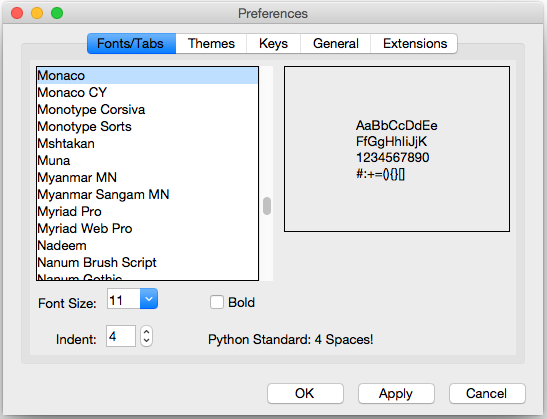
The Tk toolkit is nearly ubiquitous and simple to use. It doesn't have a great deal of widgets, but it helps anyways for utility GUIs. Moreover, it doesn't look aweful (as it did back), it has themes to look nearly native on the different platforms.
|
|
|
|
Here's how it looks like on Mac:
|
|
|
|
|
|
|
|
You have other GUI options a quickload away (Qt4, Gtk, IUP, not mentioning LispWorks CAPI…): <https://lispcookbook.github.io/cl-cookbook/gui.html>
|
|
|
|
Here's how to start with Ltk:
|
|
|
|
- either put yourself in the `ltk-user` package:
|
|
|
|
```lisp
|
|
(in-package :ltk-user)
|
|
```
|
|
|
|
- either `use` ltk:
|
|
|
|
```lisp
|
|
(use-package :ltk)
|
|
```
|
|
|
|
Use the `with-ltk` macro to define your GUI, use `make-instance` + a widget name to create it, and use the `grid` to position widgets.
|
|
|
|
```lisp
|
|
(with-ltk ()
|
|
(let ((button (make-instance 'button :text "hello")))
|
|
(grid button 0 0)))
|
|
```
|
|
|
|
Read more: <https://lispcookbook.github.io/cl-cookbook/gui.html#tk>
|
|
|
|
Iteration
|
|
---------
|
|
|
|
See <https://lispcookbook.github.io/cl-cookbook/iteration.html> for examples, including about the good old `loop`.
|
|
|
|
We import macros from [trivial-do](https://github.com/yitzchak/trivial-do/), that provides `dolist`-like macro to iterate over more structures:
|
|
|
|
- `dohash`: dohash iterates over the elements of an hash table and binds key-var to the key, value-var to the associated value and then evaluates body as a tagbody that can include declarations. Finally the result-form is returned after the iteration completes.
|
|
|
|
- `doplist`: doplist iterates over the elements of an plist and binds key-var to the key, value-var to the associated value and then evaluates body as a tagbody that can include declarations. Finally the result-form is returned after the iteration completes.
|
|
|
|
- `doalist`: doalist iterates over the elements of an alist and binds key-var to the car of each element, value-var to the cdr of each element and then evaluates body as a tagbody that can include declarations. Finally the result-form is returned after the iteration completes.
|
|
|
|
- `doseq*`: doseq\* iterates over the elements of an sequence and binds position-var to the index of each element, value-var to each element and then evaluates body as a tagbody that can include declarations. Finally the result-form is returned after the iteration completes.
|
|
|
|
- `doseq`: doseq iterates over the elements of an sequence and binds value-var to successive values and then evaluates body as a tagbody that can include declarations. Finally the result-form is returned after the iteration completes.
|
|
|
|
- `dolist*`: dolist\* iterates over the elements of an list and binds position-var to the index of each element, value-var to each element and then evaluates body as a tagbody that can include declarations. Finally the result-form is returned after the iteration completes.
|
|
|
|
We ship `for` so you can try it, but we don't import its symbols.
|
|
|
|
|
|
Numerical and scientific
|
|
------------------------
|
|
|
|
We import `mean`, `variance`, `median` and `clamp` from Alexandria.
|
|
|
|
We import functions to parse numbers (Common Lisp only has `parse-integer` by default).
|
|
|
|
[parse-float](https://github.com/soemraws/parse-float)
|
|
|
|
Similar to PARSE-INTEGER, but parses a floating point value and returns the value as the specified TYPE (by default `*READ-DEFAULT-FLOAT-FORMAT*`). The DECIMAL-CHARACTER (by default \#.) specifies the separator between the integer and decimal parts, and the EXPONENT-CHARACTER (by default \#e, case insensitive) specifies the character before the exponent. Note that the exponent is only parsed if RADIX is 10.
|
|
|
|
``` text
|
|
ARGLIST: (string &key (start 0) (end (length string)) (radix 10) (junk-allowed nil)
|
|
(decimal-character .) (exponent-character e)
|
|
(type *read-default-float-format*))
|
|
```
|
|
|
|
From [parse-number](https://github.com/sharplispers/parse-number), we import:
|
|
|
|
``` text
|
|
:parse-number
|
|
:parse-positive-real-number
|
|
:parse-real-number
|
|
```
|
|
|
|
``` text
|
|
PARSE-NUMBER
|
|
FUNCTION: Given a string, and start, end, and radix parameters,
|
|
produce a number according to the syntax definitions in the Common
|
|
Lisp Hyperspec.
|
|
ARGLIST: (string &key (start 0) (end nil) (radix 10)
|
|
((float-format *read-default-float-format*)
|
|
*read-default-float-format*))
|
|
```
|
|
|
|
See also [cl-decimals](https://github.com/tlikonen/cl-decimals) to parse and format decimal numbers.
|
|
|
|
We don't ship *Numcl*, a Numpy clone in Common Lisp, but we invite you to install it right now with Quicklisp:
|
|
|
|
```lisp
|
|
(ql:quickload "numcl")
|
|
```
|
|
|
|
### Plotting
|
|
|
|
We import the [vgplot](https://github.com/volkers/vgplot) plotting library, an interface to `gnuplot`.
|
|
|
|
It has a very good demo: just call
|
|
|
|
(vgplot:demo)
|
|
|
|

|
|
|
|
Here's a simple example to create a new plot:
|
|
|
|
~~~lisp
|
|
(vgplot:plot #(1 2 3) #(0 -2 -17) "silly example")
|
|
(vgplot:title "Simple curve")
|
|
(vgplot:text 1.2 -14 "Plot vectors with legend and add a title")
|
|
~~~
|
|
|
|
This will open a gnuplot window, which you can interfere with by
|
|
entering more vgplot commands.
|
|
|
|
`format-plot` allows direct commands to the running gnuplot process:
|
|
|
|
~~~lisp
|
|
(vgplot:format-plot t "set size square 0.5,0.5~%")
|
|
(vgplot:replot)
|
|
~~~
|
|
|
|
You can open other plots in parallel with `new-plot`, and create subplots in the same window with `subplot`.
|
|
|
|
You can graph data from files:
|
|
|
|
~~~lisp
|
|
(vgplot:plot (first (vgplot:load-data-file "data.csv")))
|
|
~~~
|
|
|
|
Close plots with `close-plot` or `close-all-plots`.
|
|
|
|
Explore the demo [here](https://github.com/volkers/vgplot/blob/master/demo.lisp).
|
|
|
|
|
|
Operating System
|
|
----------------
|
|
|
|
`UIOP`, as always, has some useful functions. This time, they are
|
|
under `uiop/os` (or simply `uiop`). We added a local nickname:
|
|
`os`. You will find:
|
|
|
|
```
|
|
os:*implementation-type*
|
|
os:architecture
|
|
os:chdir
|
|
os:detect-os
|
|
os:featurep
|
|
os:getcwd
|
|
os:getenv
|
|
os:getenvp
|
|
os:hostname
|
|
os:implementation-identifier
|
|
os:implementation-type
|
|
os:lisp-version-string
|
|
os:operating-system
|
|
os:os-cond
|
|
os:os-genera-p
|
|
os:os-macosx-p
|
|
os:os-unix-p
|
|
os:os-windows-p
|
|
os:parse-file-location-info
|
|
os:parse-windows-shortcut
|
|
os:read-little-endian
|
|
os:read-null-terminated-string
|
|
```
|
|
|
|
|
|
~~~lisp
|
|
;; read an environment variable:
|
|
CIEL> (os:getenv "USER")
|
|
"vindarel"
|
|
|
|
;; get the current working directory:
|
|
CIEL> (os:getcwd)
|
|
#P"/home/vindarel/projects/ciel/"
|
|
|
|
CIEL> (os:detect-os)
|
|
:OS-UNIX
|
|
~~~
|
|
|
|
|
|
But typing `os:` and TAB in SLIME doesn't help very much with
|
|
auto-discovery, so we also added a `/os` local nickname, so that we
|
|
see the available symbols earlier in the autocompletion list.
|
|
|
|
|
|
Regular expressions
|
|
-------------------
|
|
|
|
Use `ppcre`.
|
|
|
|
See <https://common-lisp-libraries.readthedocs.io/cl-ppcre> and <https://lispcookbook.github.io/cl-cookbook/regexp.html>
|
|
|
|
Threads, monitoring, scheduling
|
|
-------------------------------
|
|
|
|
We ship:
|
|
|
|
[Bordeaux-Threads](https://common-lisp.net/project/bordeaux-threads/) (`bt` prefix)
|
|
|
|
[Lparallel](https://lparallel.org/)
|
|
|
|
[Moira](https://github.com/ruricolist/moira) (monitor and restart background threads)
|
|
|
|
[trivial-monitored-thread](http://quickdocs.org/trivial-monitored-thread/)
|
|
|
|
> Trivial Monitored Thread offers a very simple (aka trivial) way of spawning threads and being informed when one any of them crash and die.
|
|
|
|
[cl-cron](http://quickdocs.org/cl-cron/api) (see the sources on [our fork here](https://github.com/ciel-lang/cl-cron))
|
|
|
|
For example, run a function every minute:
|
|
|
|
```lisp
|
|
(defun say-hi ()
|
|
(print "Hi!"))
|
|
(cl-cron:make-cron-job #'say-hi)
|
|
(cl-cron:start-cron)
|
|
```
|
|
|
|
Wait a minute to see some output.
|
|
|
|
Stop all jobs with `stop-cron`.
|
|
|
|
`make-cron`'s keyword arguments are:
|
|
|
|
```lisp
|
|
(minute :every) (step-min 1) (hour :every) (step-hour 1) (day-of-month :every)
|
|
(step-dom 1) (month :every) (step-month 1) (day-of-week :every)
|
|
(step-dow 1)
|
|
(boot-only nil) (hash-key nil))
|
|
```
|
|
|
|
HTTP and URI handling
|
|
---------------------
|
|
|
|
See:
|
|
|
|
- Dexador. Use the `dex` nickname or the `http` local nickname.
|
|
- Quri
|
|
- Lquery
|
|
|
|
```lisp
|
|
(dex:get "http://my.url")
|
|
```
|
|
|
|
Web
|
|
---
|
|
|
|
We ship:
|
|
|
|
- Hunchentoot
|
|
- Easy-routes
|
|
|
|
<https://lispcookbook.github.io/cl-cookbook/web.html>
|
|
|
|
Development
|
|
-----------
|
|
|
|
### Defining packages
|
|
|
|
`defpackage` is nice and well, until you notice some shortcomings. That's why we import UIOP's `define-package`. You'll get:
|
|
|
|
- less warnings when you remove an exported symbol
|
|
- a `:reexport` option (as well as `:use-reexport` and `:mix-reeport`)
|
|
- `:recycle` and `:mix` options.
|
|
|
|
Here's [uiop:define-package documentation](https://asdf.common-lisp.dev/uiop.html#UIOP_002fPACKAGE).
|
|
|
|
|
|
### Testing (Fiveam)
|
|
|
|
The [FiveAM](https://common-lisp.net/project/fiveam/docs/) test framework is available for use.
|
|
|
|
Below we create a package to contain our tests and we define the most simple one:
|
|
|
|
```lisp
|
|
(defpackage ciel-5am
|
|
(:use :cl :5am))
|
|
|
|
(in-package :ciel-5am)
|
|
|
|
(test test-one
|
|
(is (= 1 1)))
|
|
```
|
|
|
|
Run the test with:
|
|
|
|
``` txt
|
|
(run! 'test-one)
|
|
|
|
Running test TEST-ONE .
|
|
Did 1 check.
|
|
Pass: 1 (100%)
|
|
Skip: 0 ( 0%)
|
|
Fail: 0 ( 0%)
|
|
|
|
T
|
|
NIL
|
|
NIL
|
|
```
|
|
|
|
If the test fails you will see explanations:
|
|
|
|
``` txt
|
|
> (run! 'test-one)
|
|
|
|
Running test TEST-ONE .f
|
|
Did 2 checks.
|
|
Pass: 1 (50%)
|
|
Skip: 0 ( 0%)
|
|
Fail: 1 (50%)
|
|
|
|
Failure Details:
|
|
--------------------------------
|
|
TEST-ONE []:
|
|
|
|
1
|
|
|
|
evaluated to
|
|
|
|
1
|
|
|
|
which is not
|
|
|
|
=
|
|
|
|
to
|
|
|
|
2
|
|
|
|
|
|
--------------------------------
|
|
|
|
NIL
|
|
(#<IT.BESE.FIVEAM::TEST-FAILURE {1007307ED3}>)
|
|
NIL
|
|
```
|
|
|
|
Use `run` to not print explanations.
|
|
|
|
You can use `(!)` to re-run the last run test.
|
|
|
|
You can ask 5am to open the interactive debugger on an error:
|
|
|
|
``` example
|
|
(setf *debug-on-error* t)
|
|
```
|
|
|
|
### Logging (log4cl)
|
|
|
|
<https://github.com/sharplispers/log4cl/>
|
|
|
|
``` example
|
|
(log:info …)
|
|
```
|
|
|
|
### Discoverability of documentation (repl-utilities' readme, summary,…)
|
|
|
|
We make [repl-utilities](http://quickdocs.org/repl-utilities/) available, which provides `readme` and `summary`:
|
|
|
|
Learn more with:
|
|
|
|
``` example
|
|
(repl-utilities:readme repl-utilities)
|
|
```
|
|
|
|
### printv
|
|
|
|
[printv](https://github.com/danlentz/printv)
|
|
|
|
```lisp
|
|
(:printv
|
|
(defvar *y*)
|
|
(defparameter *x* 2)
|
|
(setf *y* (sqrt *x*))
|
|
(setf *y* (/ 1 *y*)))
|
|
|
|
;; This produces the following text to PRINTV's output stream, and still results in the same returned value: 0.70710677.
|
|
|
|
;;; (DEFVAR *Y*) => *Y*
|
|
;;; (DEFPARAMETER *X* 2) => *X*
|
|
;;; (SETF *Y* (SQRT *X*)) => 1.4142135
|
|
;;; (SETF *Y* (/ 1 *Y*)) => 0.70710677
|
|
|
|
```
|
|
|
|
### Getting a function's arguments list (trivial-arguments)
|
|
|
|
<https://github.com/Shinmera/trivial-arguments>
|
|
|
|
```lisp
|
|
(defun foo (a b c &optional d) nil)
|
|
(arglist #'foo)
|
|
;; (a b c &optional d)
|
|
```
|
|
|
|
### Searching for libraries on GitHub, Quickdocs and Cliki (quicksearch)
|
|
|
|
We include
|
|
[Quicksearch](https://github.com/lisp-maintainers/quicksearch), a
|
|
simple search utility for Common Lisp libraries:
|
|
|
|
(qs:? "ciel" :u)
|
|
|
|
this will search on GitHub, Quickdocs and Cliki for "ciel", and it
|
|
will print the URL of search results.
|
|
|
|
```
|
|
SEARCH-RESULTS: "ciel"
|
|
======================
|
|
|
|
Cliki
|
|
-----
|
|
cl-cron
|
|
http://www.cliki.net/cl-cron
|
|
|
|
GitHub
|
|
------
|
|
CIEL
|
|
https://github.com/ciel-lang/CIEL
|
|
cl-cron
|
|
https://github.com/lisp-mirror/cl-cron
|
|
```
|